April 23, 2026
Choosing the right countertop material is crucial for functionality and aesthetics in any home. This article explores three popular options: quartz, granite, and onyx, breaking down their unique qualities to aid your decision-making process. The choice of material can significantly impact not only the kitchen's look but also its usability and maintenance demands. Understanding the characteristics, benefits, and drawbacks of each option will provide a solid foundation for making an informed choice. Regardless of style preferences, the perfect countertop can enhance your kitchen's beauty and efficiency.
Understanding Quartz Countertops
Composition and Manufacturing Process
Quartz countertops are engineered surfaces, composed roughly of 90%–95% ground quartz, as noted by This Old House. During manufacturing, ground quartz is combined with resins, polymers, and pigments, which is then molded into slabs of varying sizes and thicknesses. This process allows for precise control over color and pattern, offering a wide range of aesthetic possibilities. The engineered nature of quartz results in a non-porous, sturdy surface known for its resilience. Unlike natural stones, quartz does not require sealing, making it less susceptible to staining and bacterial growth.
Durability and Maintenance
Quartz countertops are celebrated for their impressive durability and low maintenance needs. The non-porous nature of quartz means it resists stains from coffee, wine, oil, and other typical kitchen substances that might mar other materials. Daily cleaning requires only mild soap and water, while deeper scrubbing can handle any stubborn spots. In terms of strength, quartz is less prone to chipping compared to granite and onyx, offering a long lifespan with minimal upkeep. However, it's important to note that excessive heat can damage quartz, so hot pads or trivets are recommended when placing hot pans on the surface.
Aesthetic Options and Customization
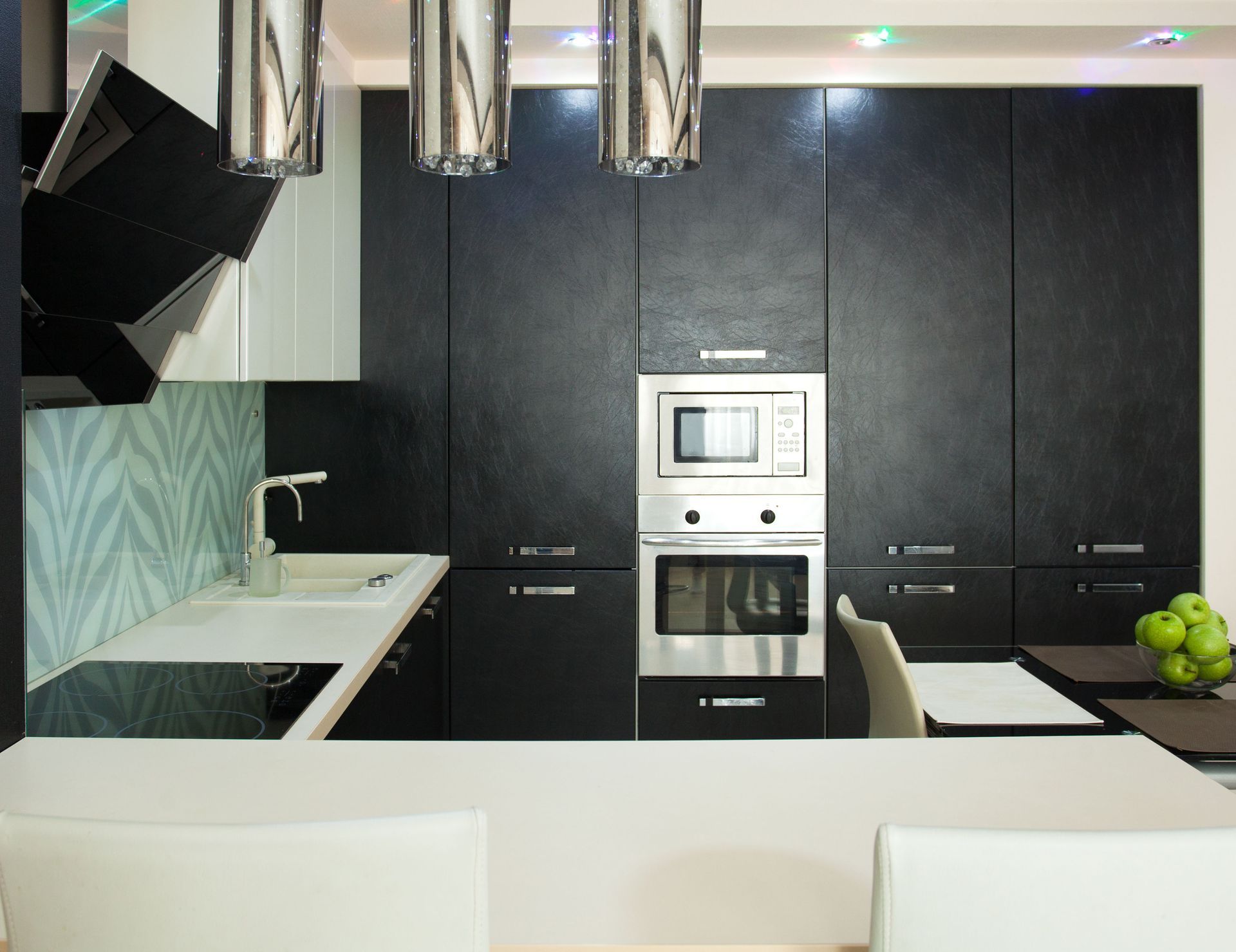
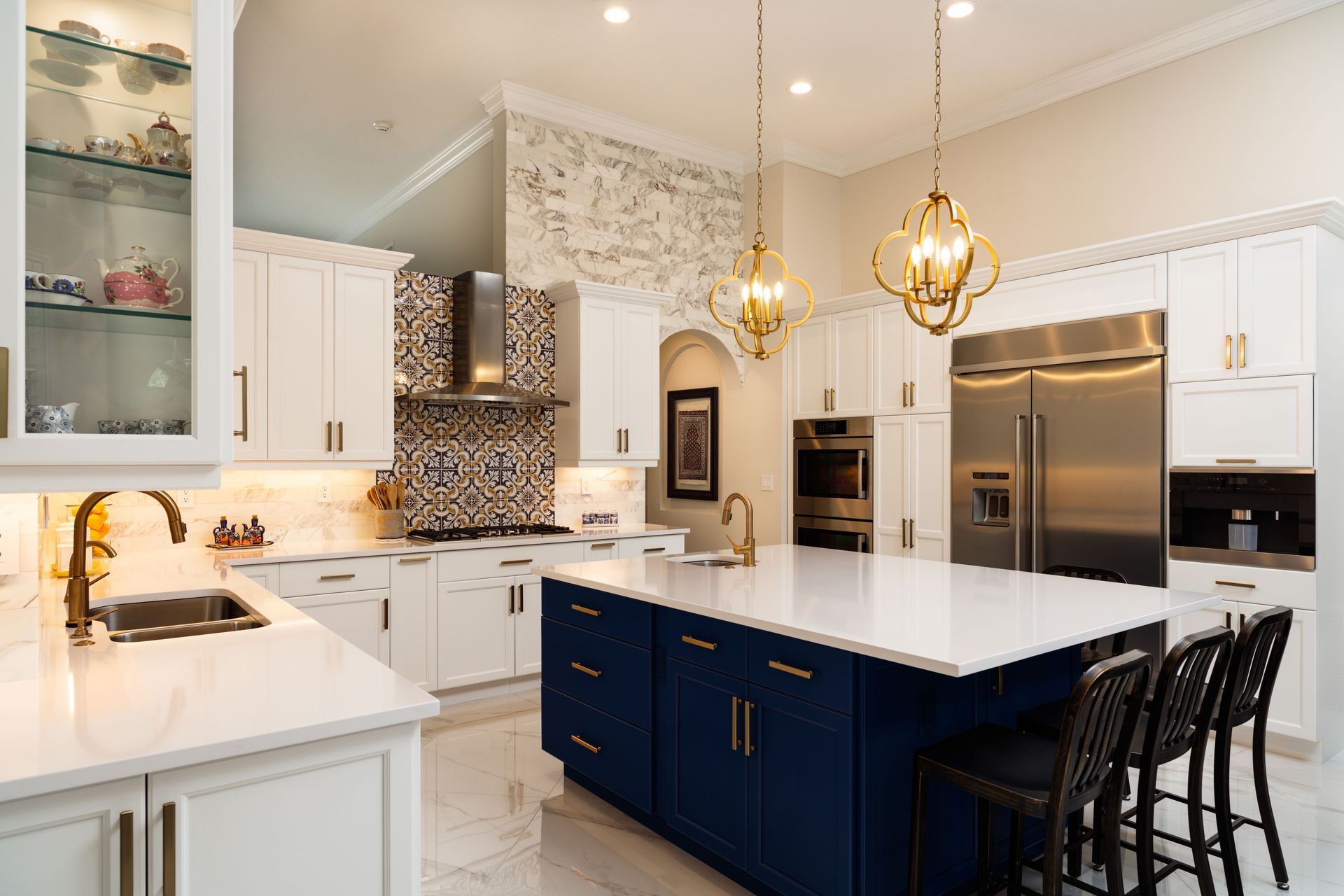
The manufacturing process of quartz allows for extensive customization in terms of color and pattern. Homeowners can choose from traditional solid colors to more dynamic, veining designs that mimic natural stone patterns. This flexibility makes quartz an excellent choice for both modern and classic kitchen designs. Additionally, quartz can be finished with a polished or honed surface, giving further personalization options to meet different aesthetic desires. This vast palette of styles ensures that quartz can seamlessly integrate into any kitchen setting.
Cost Considerations
The cost of quartz countertops varies widely, depending largely on the quality of the quartz used and the complexity of the job. Generally, quartz tends to be less expensive than high-end granite or onyx but is more costly than laminate or tile options. Installation can also impact total cost, especially if intricate edge designs or custom work is required. Despite the initial investment, quartz's durability and virtually maintenance-free nature often provide substantial long-term savings. It's a cost-effective option for those who prioritize practicality without sacrificing style.
Environmental Impact
While quartz countertops are reliant on natural resources, they are often considered more environmentally friendly than some natural stones. Production processes can incorporate recycled materials, and the durability of quartz minimizes resource consumption over time, as replacements are rarely needed. The non-porous nature eliminates the need for harmful chemicals commonly used for sealing natural stones. Furthermore, the energy-efficient practices adopted by many quartz manufacturers help reduce the overall carbon footprint. This makes quartz a sustainable choice for environmentally conscious consumers.
Exploring the Characteristics of Granite
Natural Formation and Extraction
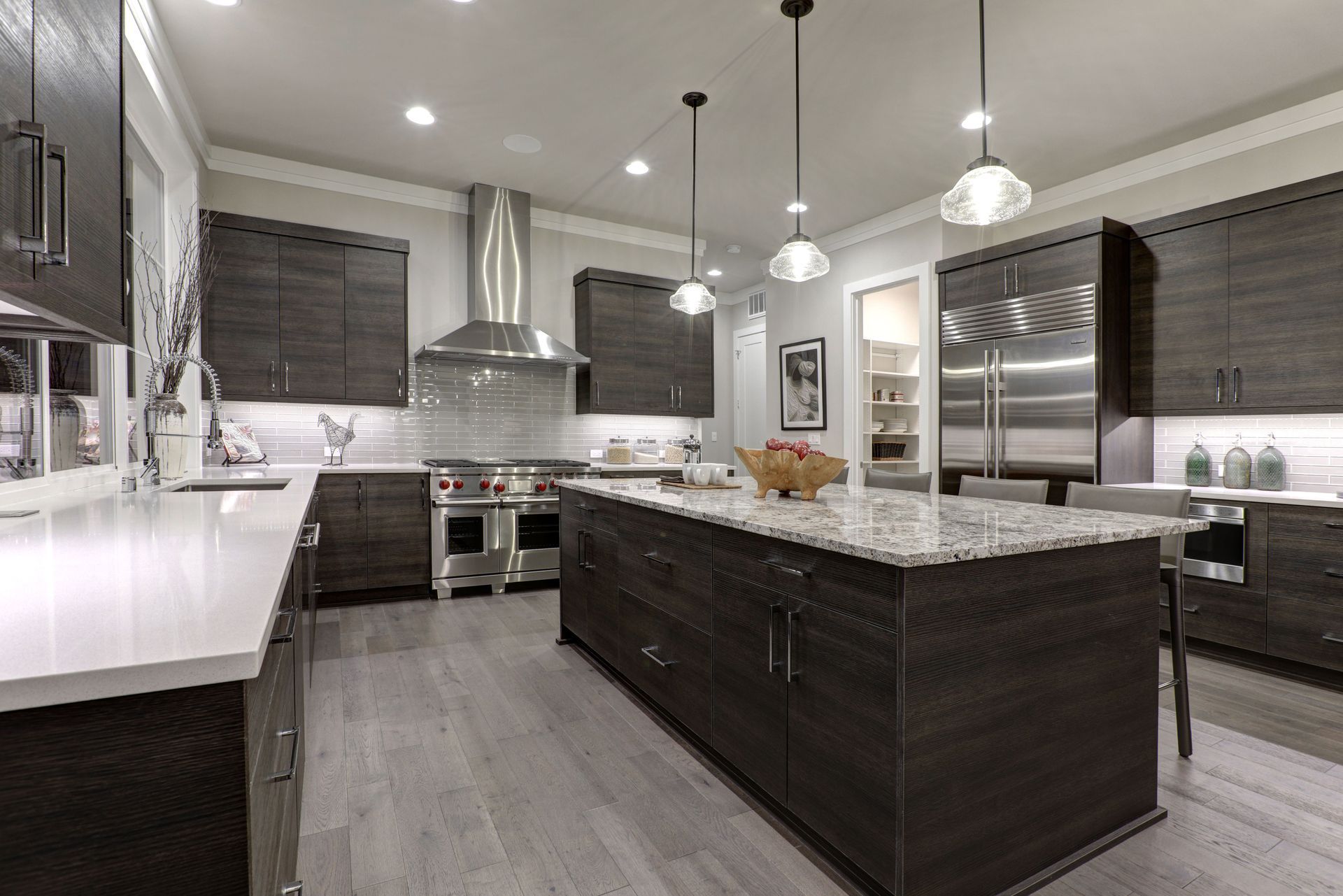
Granite countertops originate from large blocks of natural stone extracted from quarries around the world. Formed over millions of years from compressed molten rock beneath the Earth's surface, granite is known for its remarkable hardness and durability. Once quarried, granite is cut into slabs and polished to a high gloss finish, showcasing its natural beauty. While this extraction process is resource-intensive, the result is a sturdy, long-lasting material that carries a timeless appeal. Depending on the specific quarry, granite's color and pattern vary, giving each slab a unique look.
Strengths and Weaknesses
Granite's strength is one of its most significant assets, making it a popular choice for kitchens seeking longevity. Its heat resistance is particularly beneficial in environments where hot cookware might be placed directly on the surface. Granite is also resistant to scratches and general wear, although it requires periodic sealing to maintain its stain resistance. One notable weakness is that granite can potentially crack under stress or if installed improperly. Its porosity also means that without regular sealing, it can harbor bacteria and stains, necessitating routine maintenance to retain its luster.
Variety in Patterns and Colors
The appeal of granite lies in its natural beauty, characterized by a wide array of colors and patterns. Each slab features unique mineral patterns formed over millennia, ranging from consistent patterns like specks to dynamic veins reminiscent of marble. The colors are predominantly dependent on the mineral composition, providing an assortment from rich earth tones to striking blues and reds. This natural variety ensures that no two pieces are exactly alike, offering a one-of-a-kind element for kitchen countertops. The rich diversity in appearance makes granite a versatile choice fitting various design themes.
Price Range and Factors Influencing Cost
Granite's price varies based on factors such as rarity, quality, and origin of the slab, as well as the cost associated with extraction and transportation. Typically, more exotic patterns with rare colors command a higher price due to their scarcity. Installation costs also factor significantly into the overall price, particularly if complex cuts or finishes are involved. Certain colors and patterns, depending on demand, might be more affordable, making it possible to find budget-friendly granite options. When budgeting, homeowners must consider both the up-front costs and the ongoing maintenance expenses.
Sustainability and Eco-friendliness
Granite's sustainability is a mixed topic, given that its quarrying is resource-intensive and may have environmental impacts. However, once installed, its durability reduces waste due to its long lifespan. Additionally, granite is completely natural and doesn't emit harmful chemicals, supporting healthy indoor air quality. For those interested in eco-friendly options, granite suppliers with sustainable practices, such as locally sourced stones or responsible quarrying, can be prioritized. Despite its environmental concerns, granite remains a viable option for sustainable home improvement when carefully sourced.
Delving into the Unique Features of Onyx
Origins and Natural Characteristics
Onyx is a sedimentary rock formed through the accumulation of calcium carbonate deposits. Its formation process often results in striking, translucent qualities that make onyx a show-stopping feature in home designs. Unlike other stones, onyx is notably softer and more fragile, necessitating careful handling during extraction and installation. The stone's unique translucency allows it to be backlit, highlighting its crystalline layers and adding dramatic visual appeal. This characteristic sets onyx apart, making it more suitable for ornamental or low-traffic areas rather than busy countertops.
Maintenance Requirements and Longevity
Onyx requires a higher level of maintenance compared to quartz and granite due to its porous nature and susceptibility to damage. Its softness makes it prone to scratches, etching, and chips, requiring regular sealing and careful upkeep to prevent discoloration and enhance durability. Daily cleaning with non-abrasive cleaners is crucial to protect its surface, while immediate attention to spills can prevent permanent damage. Despite these demands, when maintained properly, onyx can last a significant amount of time, maintaining its exquisite appearance. It best serves as a statement piece rather than a functional work surface.
Visual Appeal and Backlighting Options
The allure of onyx stems from its unparalleled beauty and translucency, making it an artistic element in any space. With backlighting, onyx can transform into a glowing, ethereal focal point that elevates room design uniquely. According to This Old House, quartz countertops are composed of approximately 90%–95% ground quartz. Its varied palette of colors and intricate veining add to its decorative appeal, allowing it to stand out in any interior setting. This visual drama, though, means onyx is often used in areas where it can be appreciated without the risk of frequent damage. For those seeking a luxurious and distinctive aesthetic, onyx stands out as a top contender. Be sure to reach out to Creative Surfaces LLC today for more information on our professional custom countertop services!